
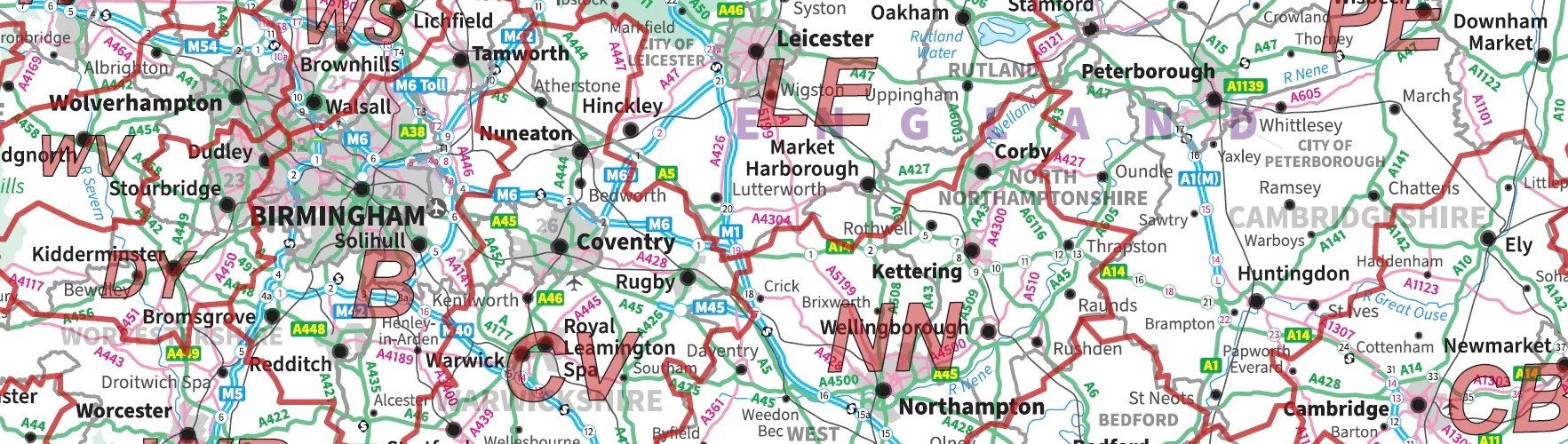
Welcome to the World of UK Postcodes
Are you ready to explore the intricate tapestry of the United Kingdom's postal geography? Look no further! Our website is your ultimate guide to understanding and navigating the diverse landscape of UK postcodes.
anatomy of aPostcodes are much more than just a string of letters and numbers - they are the backbone of the UK's postal system, facilitating the efficient delivery of mail and parcels to every corner of the country. From bustling city centres to remote rural villages, every location in the UK is assigned a unique postcode, allowing mail to be sorted and delivered with pinpoint accuracy.
Discovering the Diversity of the UK
One of the fascinating aspects of UK postcodes is the insight they provide into the country's geography and demographics. By delving into the intricacies of postcode areas, districts, sectors, and units, you can uncover a wealth of information about population density, urbanisation, socioeconomic status, and much more.
Navigating with Precision
Whether you're planning a journey, arranging a delivery, or conducting market research, understanding postcodes is essential for navigating the UK with precision. Our website provides comprehensive resources, tools, and insights to help you decode postcodes, find locations, and make the most of this invaluable system.
Join Us on the Journey
Join us as we embark on a journey through the world of UK postcodes. From the historic streets of London to the picturesque landscapes of Scotland, there's so much to discover and explore. Let's dive in and unravel the mysteries of the UK's postal system together!
Anatomy of a Postcode
| Outcode | Incode | |||||||
| B | S | 4 | 8 | 3 | D | Y | ||
| Sector | Unit | |||||||
| District | ||||||||
| Area | ||||||||
- Outward code: is the first half of a postcode (before the space)
- Inward code: is the second half of a postcode (after the space)
- Postcode Area: is the first string of letters in a postcode
- District Code: The district code is part of the outward code. It is between two and four characters long
- Sector: is made up of the postcode district, the single space, and the first character of the inward code
- Unit: is the last two letters of a postcode
London Changes
| Outcode | Incode | ||||||
| S | W | 1 | A | 1 | A | A | |
| Sector | Unit | ||||||
| Sub District | |||||||
| District | |||||||
| Area | |||||||
- Sub District: A special part of the outward code.
- London districts: with high densities can have these
Postcode Areas
Fascinating Facts About UK Postcodes
- Inception: The concept of postcodes was first introduced in the UK in 1857, with the aim of simplifying the sorting and delivery of mail. However, it wasn't until the 1950s and 1960s that the modern postcode system began to take shape.
- Alpha-Numeric Designation: UK postcodes are alphanumeric and typically consist of two parts: the outward code and the inward code. The outward code identifies the area or town, while the inward code pinpoints the specific address or delivery point.
- Royal Mail Responsibility: The responsibility for assigning and maintaining postcodes in the UK lies with the Royal Mail, the country's primary postal service provider. They regularly update and refine the postcode database to accommodate changes in infrastructure and population.
- Coverage: With over 1.7 million postcodes covering every corner of the country, the UK postcode system is one of the most comprehensive in the world. From densely populated cities to remote rural areas, no location is left without a postcode.
- Geographic Significance: UK postcodes offer valuable insights into the country's geography and demographics. For example, postcode areas are often based on major cities or regions, while postcode districts and sectors provide more granular details about specific neighborhoods and localities.
- Structure: A typical UK postcode follows a hierarchical structure, with the outward code consisting of letters and numbers representing the area, and the inward code comprising numbers and letters pinpointing the exact address. For example, "SW1A 1AA" corresponds to Buckingham Palace in London.
- Postcode Evolution: Over the years, the UK postcode system has evolved to meet the changing needs of society. This includes the introduction of new postcode areas, the extension of existing codes to accommodate urban growth, and the implementation of advanced sorting technologies to improve efficiency.
- Business Applications: Postcodes play a crucial role in various business applications, including logistics, marketing, and demographics analysis. Businesses use postcode data to optimize delivery routes, target advertising campaigns, and understand consumer behavior on a local level.
- Historical Significance: Some UK postcodes have historical significance or cultural associations. For example, "WC1A 1AA" is famously associated with the fictional detective Sherlock Holmes, whose address is given as 221B Baker Street in London.
- International Comparison: While the UK postcode system is unique in its alphanumeric format and hierarchical structure, many other countries around the world have adopted similar systems to facilitate mail delivery and geographic referencing.